

Meet us in Stuttgart at The Battery Show Europe 2026 (11.06.2026)

More events

eGRAPHENE
FOR BATTERIES

eGraphene is introducing a third conductive carbon material for batteries - beyond CNT and Carbon Black. It's functionalized, thin, large 2D flakes are an ideal additive to enable better batteries.

eGraphene combines high conductivity, ultra-thin, few-layer morphology, and large, flexible 2D flakes — making it well-suited for conductive networks and functional layers within battery cells. It can be integrated into wet and dry battery processes as a conductive additive, a current-collector primer, or an interface coating.

Conductivity up to 140,000 S/m, enabling high-performance at low-loadings

In-situ functionalization prevents restacking and enables tunable surface chemistry.

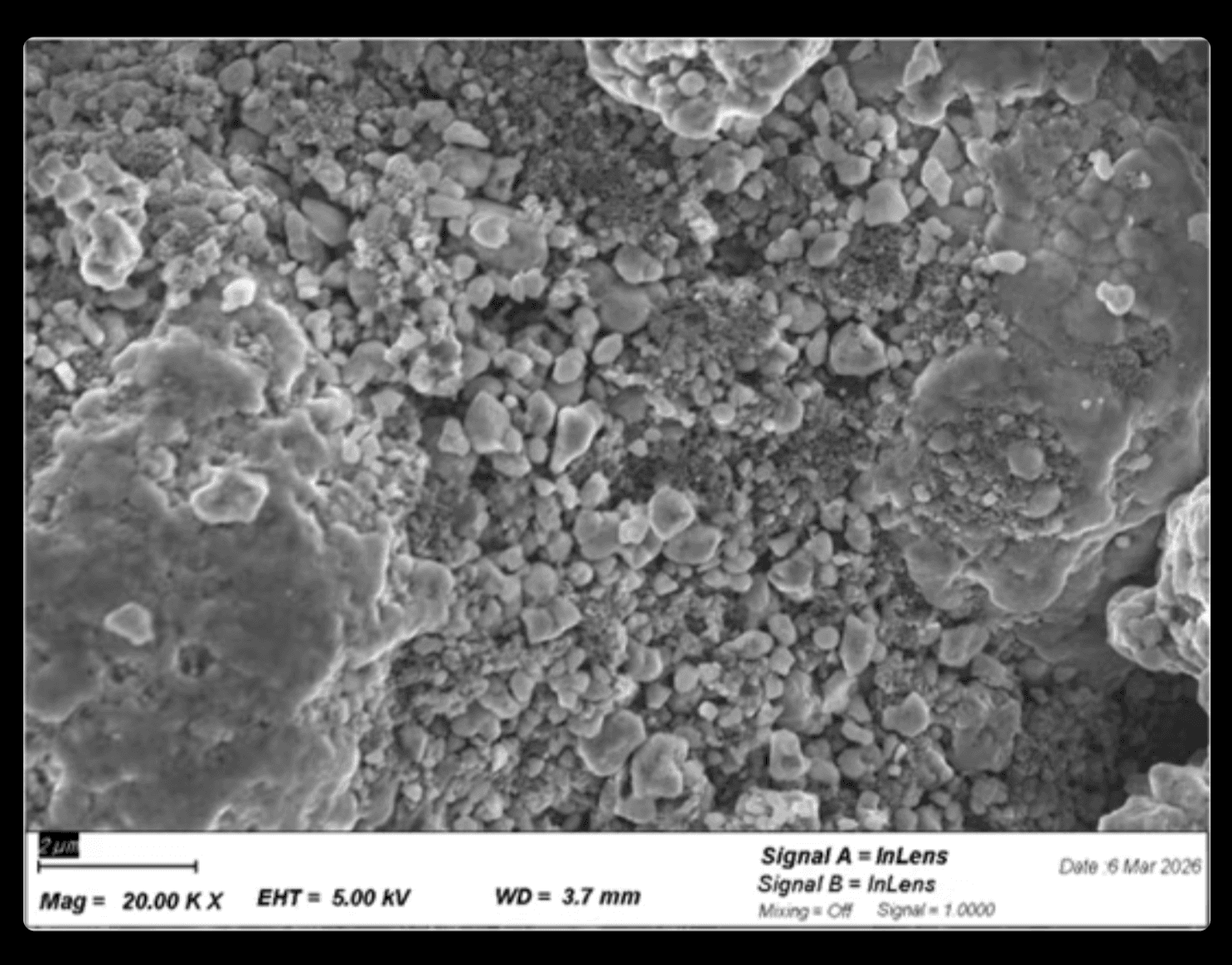
Large, flexible 2D flakes — 0.5–1 µm wide and below 3 nm thin — form networks, films, and particle coatings.

Surfactant-free formulations for wet and dry processing.

Explore battery use cases

10 years

R&D

10+

global patents

€ 2,6 m

total funding

300 kg/a

solid production capacity

1st

OTA signed

BATTERY
USE CASES

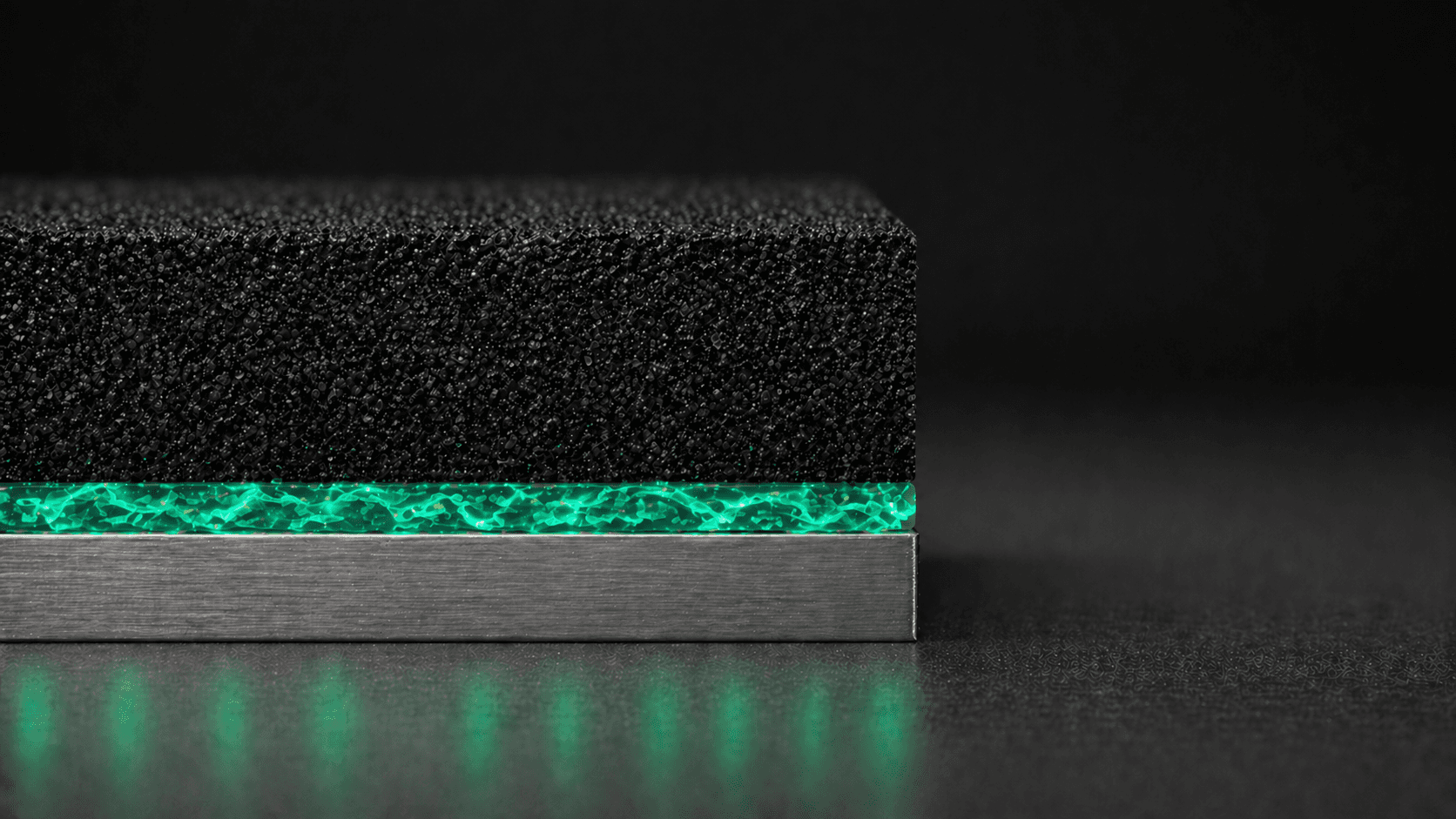
eGraphene supports multiple battery cell components — from conductive additives in cathodes and anodes to current collector primers and functional interface coatings for next-generation cells.

Conductive Additive

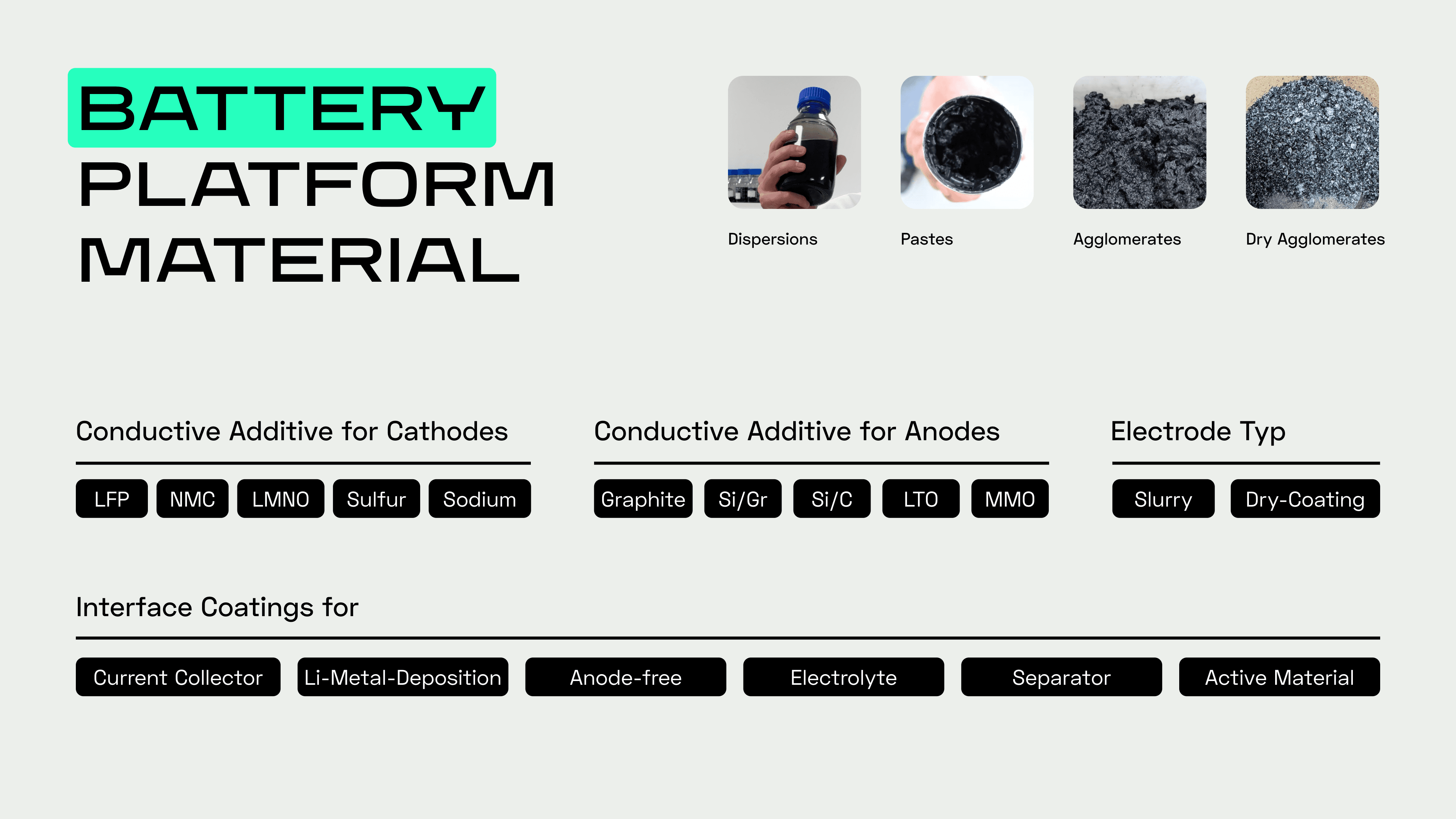
2D eGraphene networks create stable electrical contacts in wet and dry-coated electrodes — reducing additive loading, improving compression & adhesion. eGraphene has been validated across key cathode & anode systems — from LFP, NMC, sodium, sulfur, & LNMO cathodes to silicon, silicon-graphite, graphite, SCC, & LTO anodes.

Conductive Additives

CC Primer Coatings

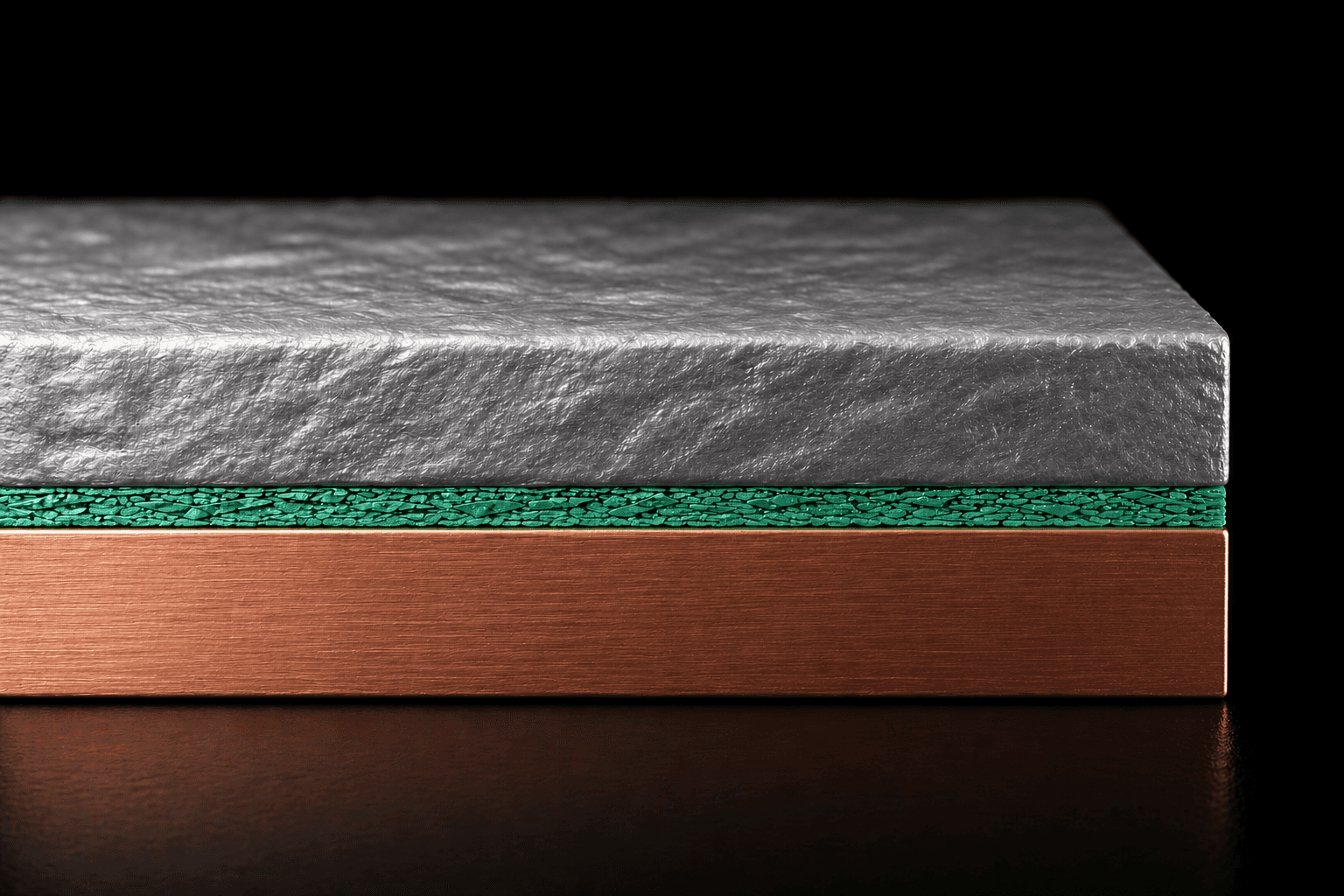
Thin conductive eGraphene layers improve current-collector contact and support adhesion — enabling thinner primer coatings for wet- and dry-coated electrodes on both aluminum and copper current collectors.

CC Primer Coatings

Interface Coatings

Conductive, lithiophilic, and chemically tunable eGraphene layers stabilize critical battery interfaces. eGraphene interface coatings support multiple use cases — from solid electrolyte and separator coatings to active material coatings, lithium-metal deposition control, anode-free interfaces, and functional membranes.

Interface Coatings

Supported by:


CONDUCTIVE ADDITIVE

eGraphene's functionalized few-layer morphology supports conductivity, electrode adhesion, and processability across both wet and dry coating routes.

1

Increase active material share by reducing carbon, binder, and improving compression with eGraphene.

More active material

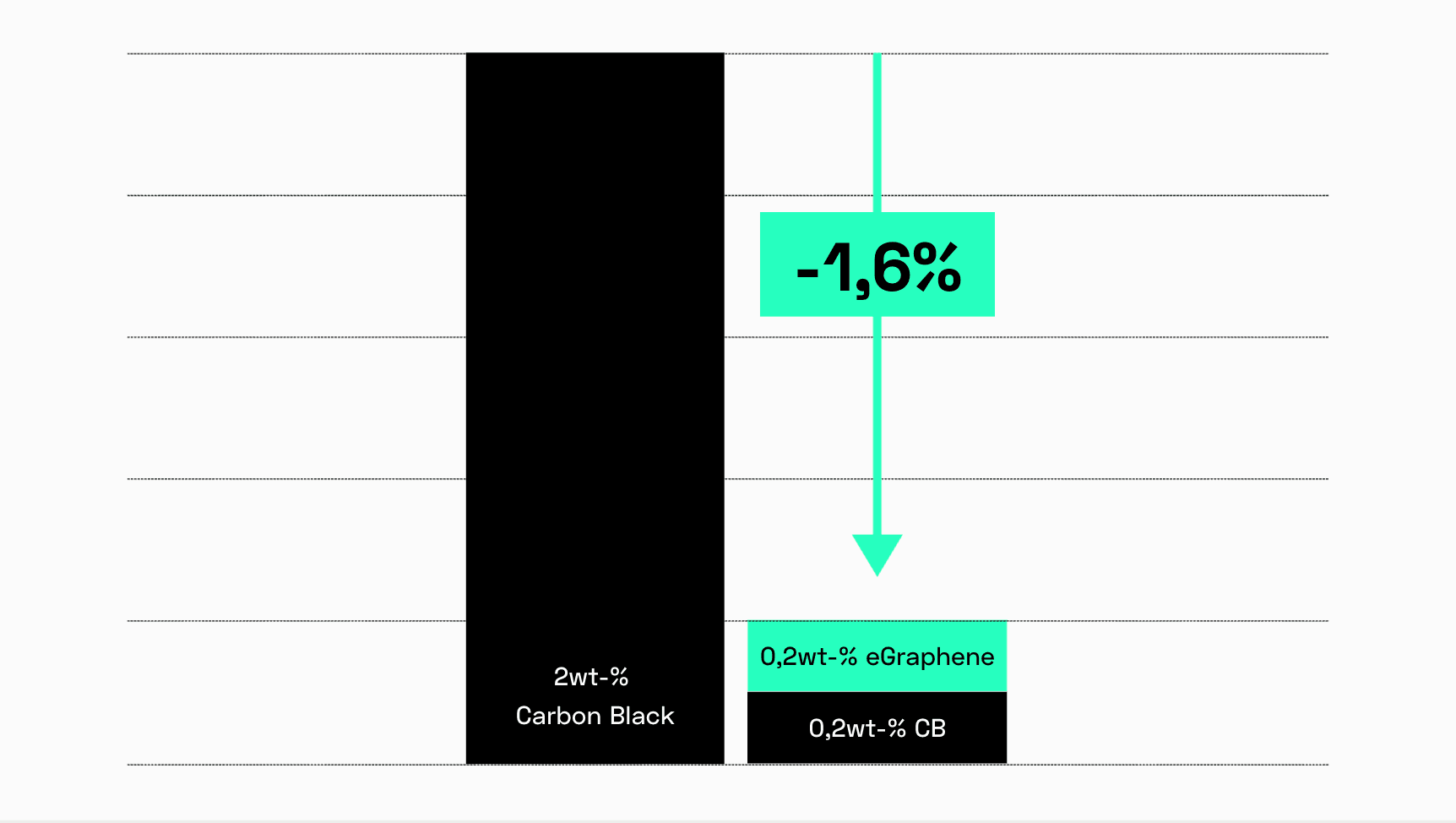
In cathode formulations, 0.2wt% eGraphene + 0.2wt% carbon black has shown conductivity comparable to a 2wt% carbon black reference — allowing up to ~1.6wt% more active material.


eGraphene impact:

1,6 %

more active material at comparable performance and cost per kWh

Higher electrode density

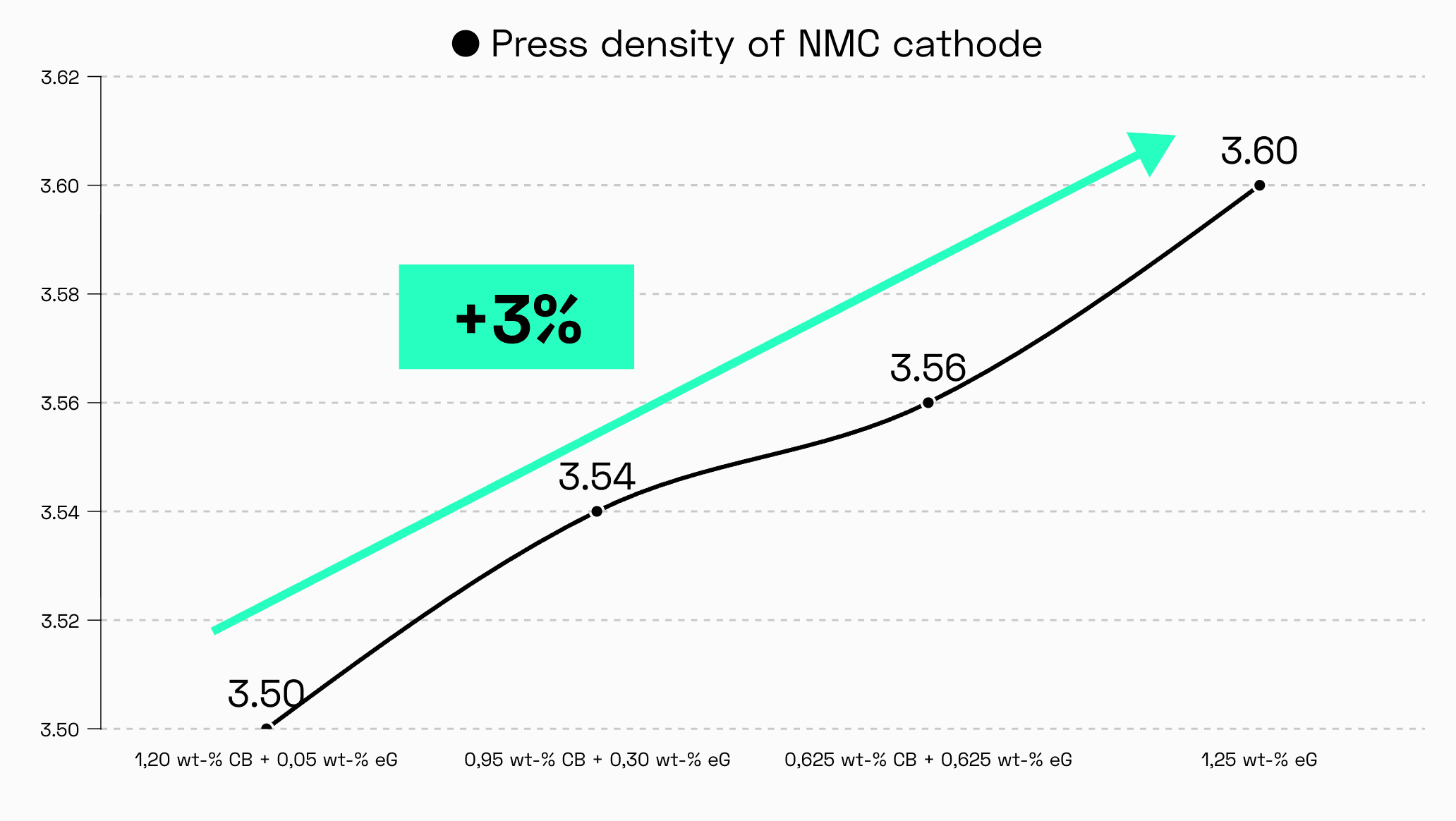
In customer testing, eGraphene-containing electrodes showed 2–3% higher compression during calendering compared with carbon black or CNT reference systems.


eGraphene impact:

2-3%

more active material through improved electrode compression during calendering

Lower binder demand

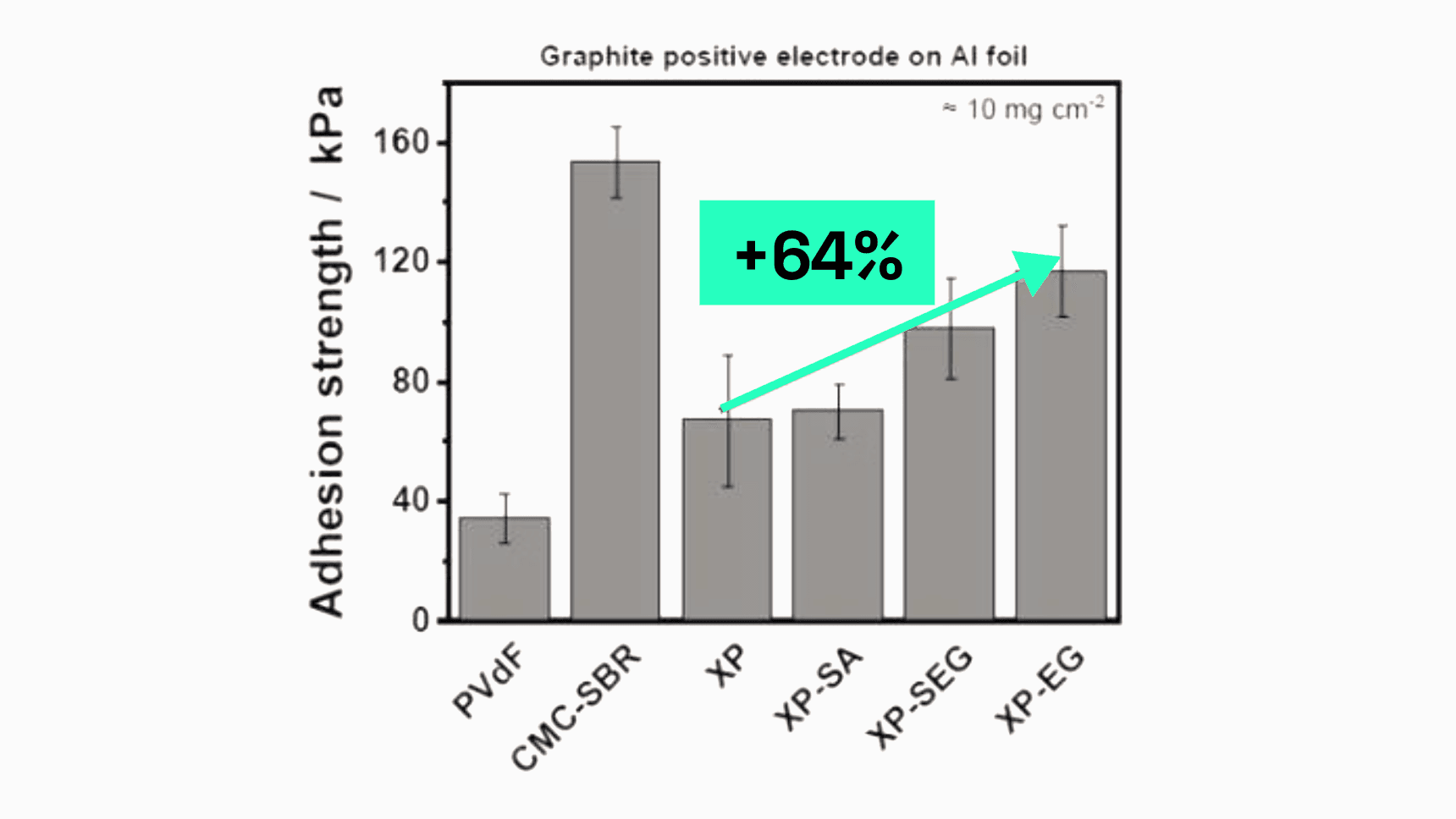
eGraphene can improve electrode cohesion and adhesion to the current collector. In selected formulations, this has supported binder reduction of up to ~30% while maintaining mechanical electrode integrity.


eGraphene impact:

-30%

binder demand through improved adhesion to the current collector and less carbon black loading

2

Build denser, higher-quality dry-coated electrodes through improved cohesion and calendering behavior.

Improved powder flow

2D eGraphene flakes can act as a lubricant during dry mixing and granulate calendering.

More homogeneous layers

Better flow and dispersion help active material particles form more uniform dry-coated electrodes.

Thinner dry-coated electrodes

Selected trials enabled more uniform cathode and anode layers well below 100 µm.

3

Improve cost per kWh with efficient carbon blends at low eGraphene loading.

eGraphene is designed for optimized carbon blends. By combining low loading, carbon black reduction, improved electrode density, and easier processing, it can improve the performance-to-cost ratio of conductive additive systems. Compared with SWCNT-heavy formulations, eGraphene can offer a more cost-efficient path to high-performance conductive networks.

eGraphene (0,2 wt-%)

0,40 €/KWh

Carbon Black (2wt-%)

0,80 €/KWh

SWCNT (0,04 wt-%)

1,60 €/KWh


FAQ

Open to a technical exchange? We’d love to dive in.

Contact us


CC PRIMER COATINGS

Achieve thinner current collector primer coatings with strong adhesion and low resistance using eGraphene.

Current collector primers are becoming critical for dry-coated electrodes, where they must provide electrical contact, adhesion to the current collector, and mechanical robustness during calendering.

eGraphene forms conductive 2D networks at very low loading. This can reduce conductive carbon demand and leave more formulation space for binder — enabling thinner primer layers, potentially below 500 nm, while maintaining conductivity and adhesion.

The impact: thinner primer coatings, less material use, and a potential path to lower coating costs.


<500nm

thickness of primer coating with eGraphene


FAQ


INTERFACE COATINGS

eGraphene combines a conductive 2D structure, tunable surface chemistry, lithiophilic behavior, and interface-stabilizing functionality. Together, these properties enable ultra-thin carbon coatings for critical battery interfaces.

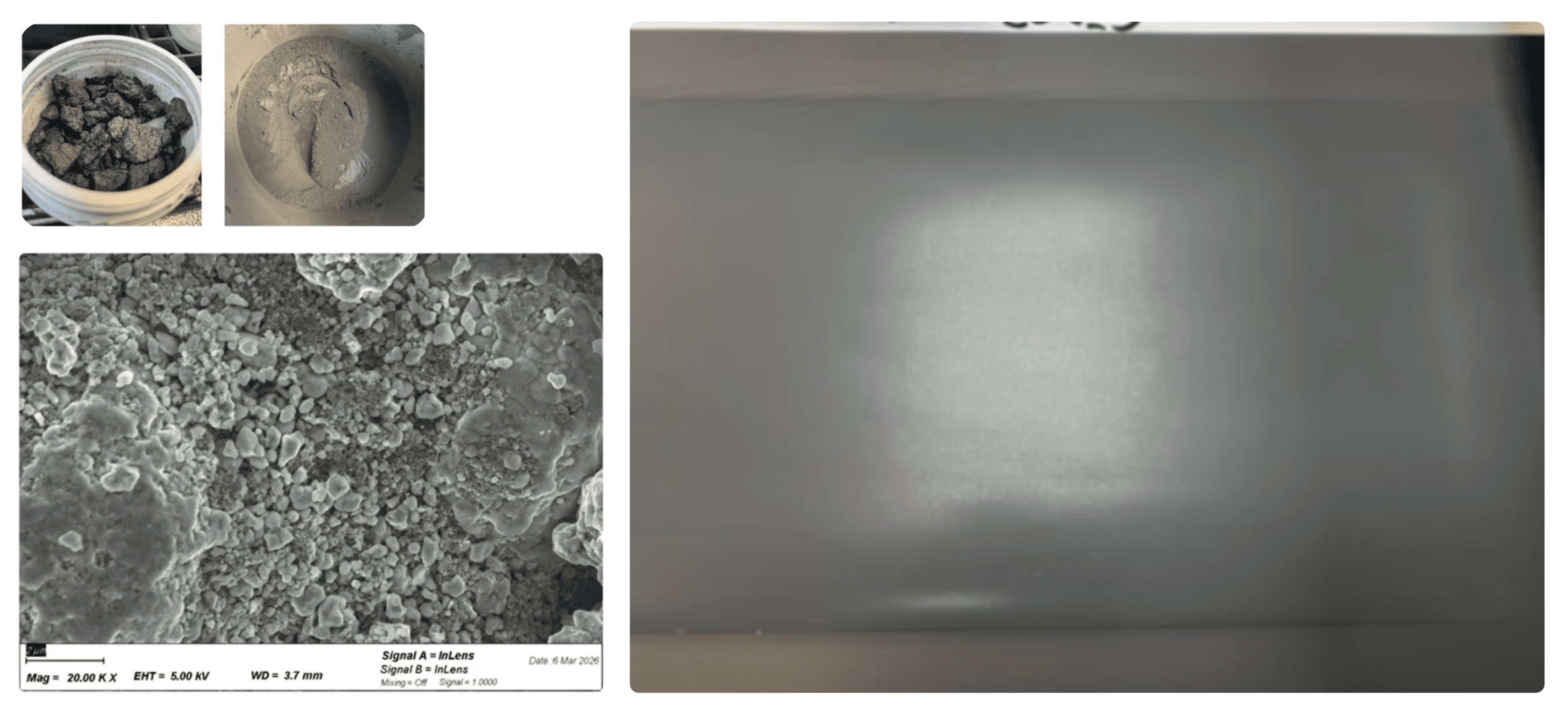
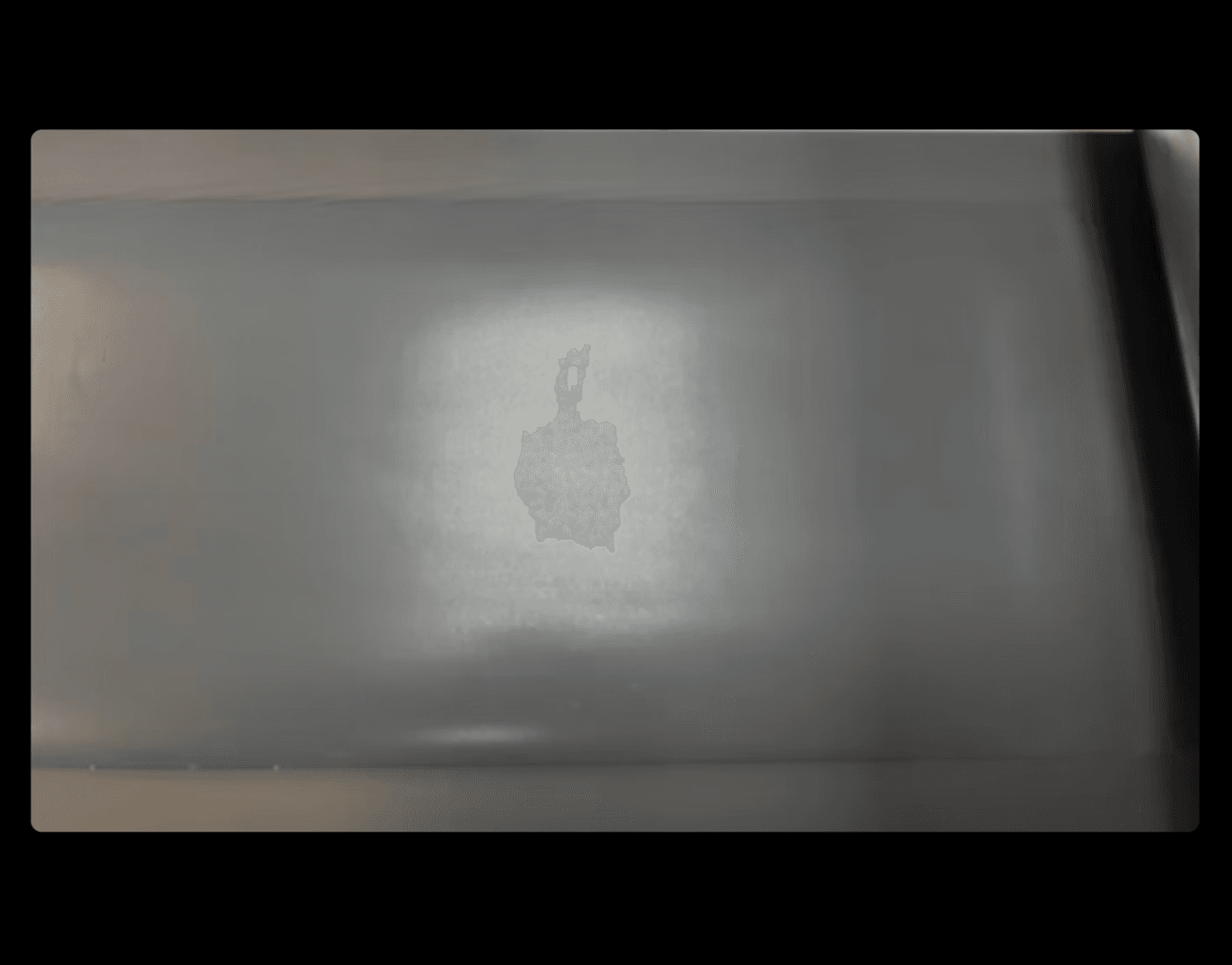
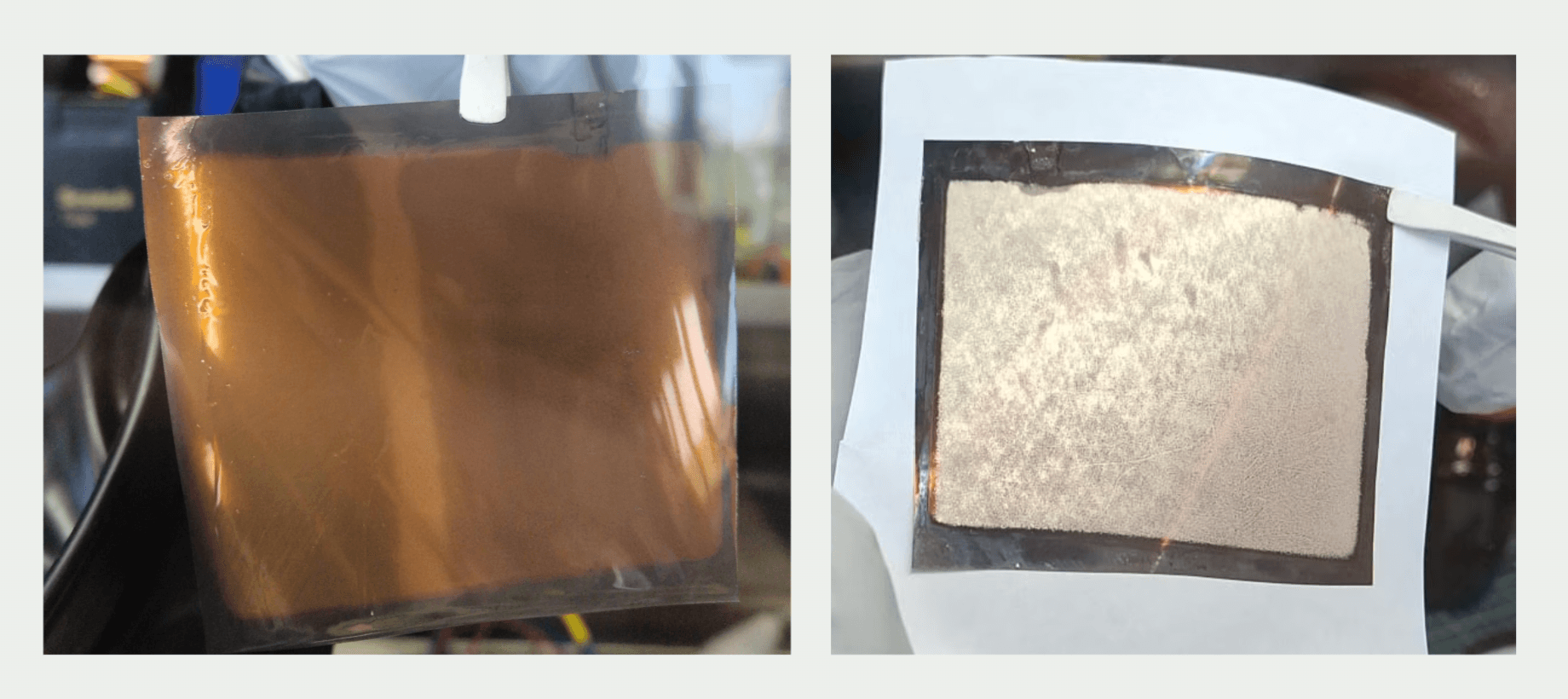
The bronze color on the backside of the coated PET foil indicates lithium intercalation into eGraphene, confirming its lithiophilic behavior. The deposited lithium layer on the right shows how eGraphene can support more uniform lithium distribution at the interface.

Li-Metal Inferface

Conductive, lithiophilic eGraphene layers stabilize lithium interfaces — improving contact and reducing degradation.

Li-Metal Deposition

Lithiophilic eGraphene coatings guide lithium nucleation — enabling smoother plating and lower dendrite risk.

Active Material Coating

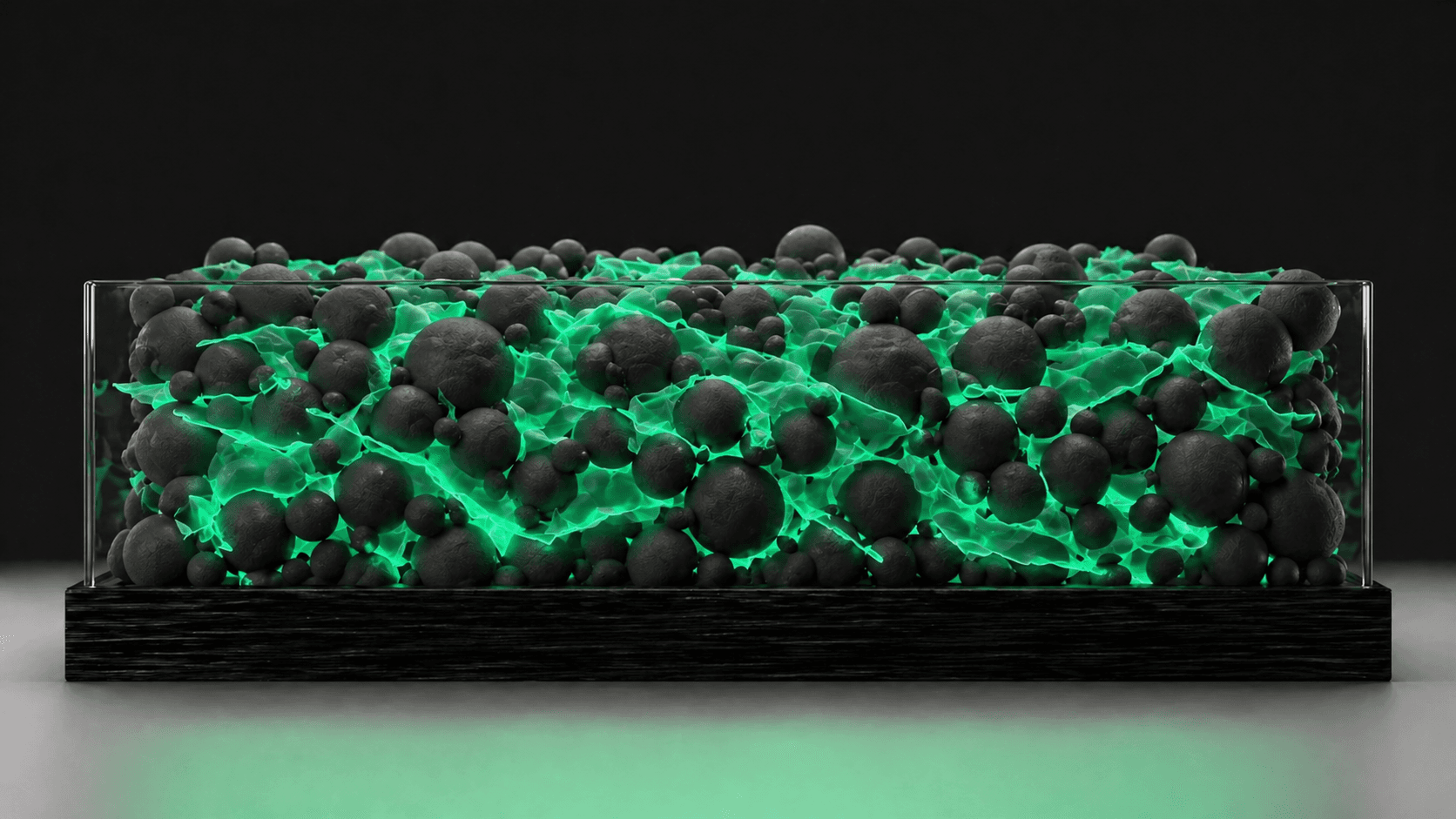
Large 2D eGraphene flakes wrap active material particles — improving particle-to-particle conductivity at lower additive loading.

Separator Coating

Ultra-thin eGraphene layers add barrier functionality to separator surfaces — reducing side reactions and improving interface stability.

Membrane Coating

eGraphene coatings create conductive barrier layers on ion-transport membranes — reducing crossover while maintaining transport performance.


FAQ

CONTACT

If you aim to improve the conductivity, barrier, or mechanical properties of your materials, get in touch. We can assist with 10 years of Graphene experience and samples tailored to your application.

SCALE-UP

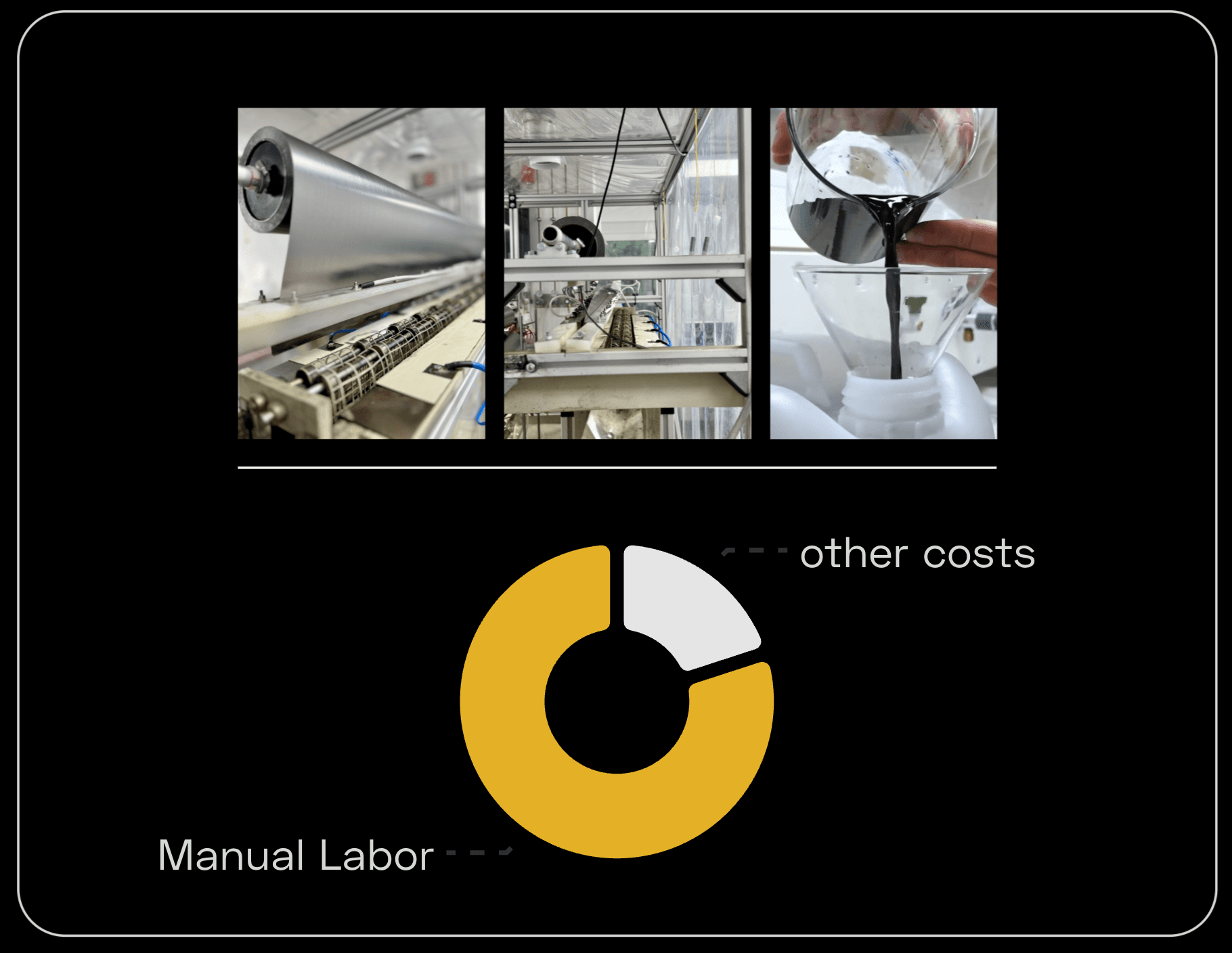
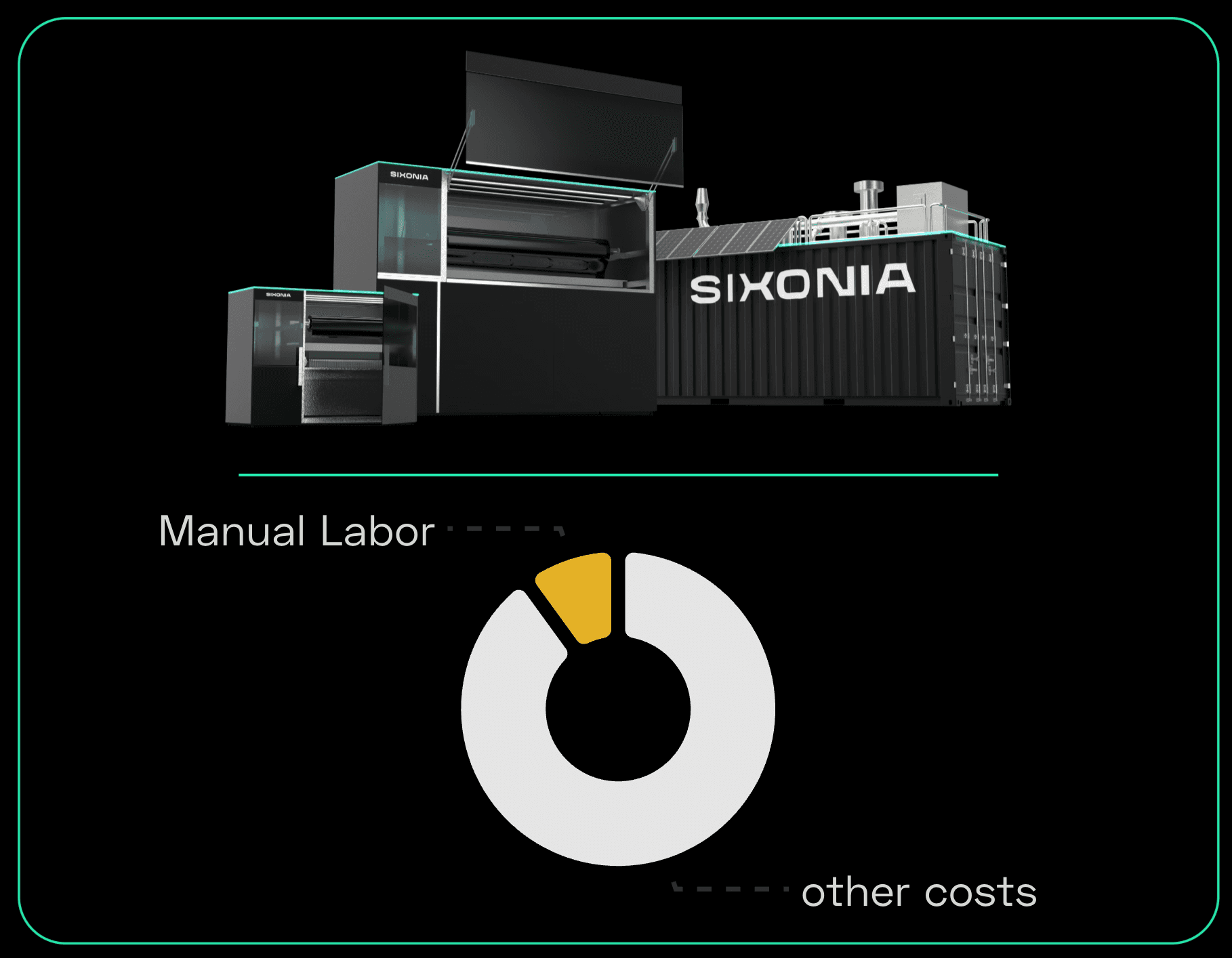
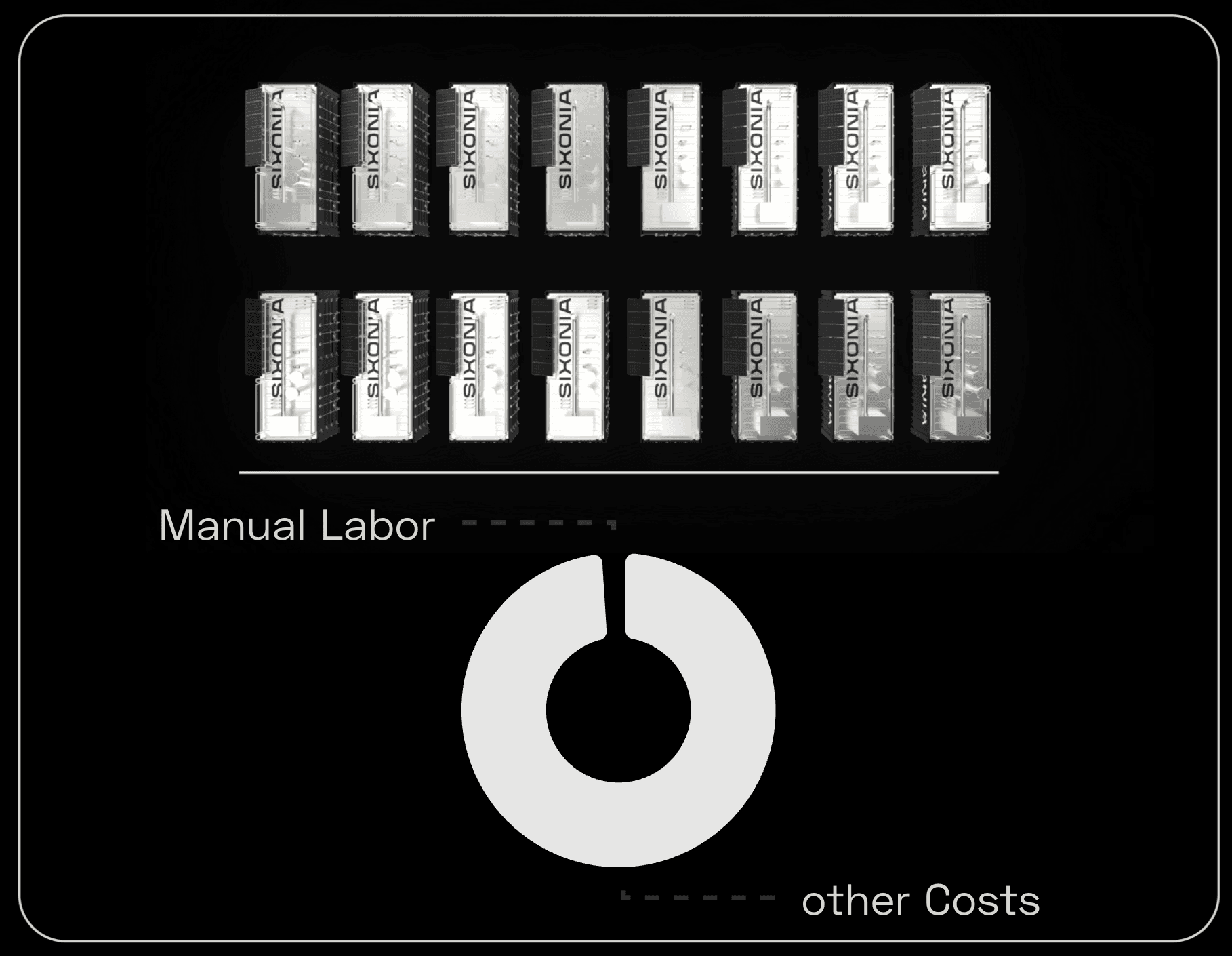
eGraphene production is designed to scale through automated container units rather than a single centralized mega-plant. This allows Sixonia to expand capacity step by step, reduce manual labor, and place production closer to customers when demand reaches industrial volumes.

Today: 300 kg/a

Our pilot line supplies customer validation projects, application development, and early commercial demand.

2027/28: 2-10t/a

The next scale-up step is a semi-automated containerized production unit with 2–10 t/a capacity, designed for repeatable, modular expansion.

2029+: 100-1000 t/a

Multiple automated production units can be combined into a distributed production fleet, enabling >100 t/a capacity and local supply close to strategic customers.

INSIGHTS

Don't miss a news!

Subscribe to our newsletter

CAREER

Join us in building Europe’s next supermaterial company:
We’re scientists, engineers, and builders — working to unlock the era of 2D materials. Sixonia is scaling fast — and always open to exceptional people.


More about Sixonia